Pain that lingers
Sensitivity that continues after the hot or cold has gone, or that wakes you at night, suggests the nerve is inflamed beyond recovery.
Root canals
A root canal has a reputation it earned fifty years ago. With modern anaesthesia the appointment is comparable to having a filling, and the toothache people dread is what it removes.
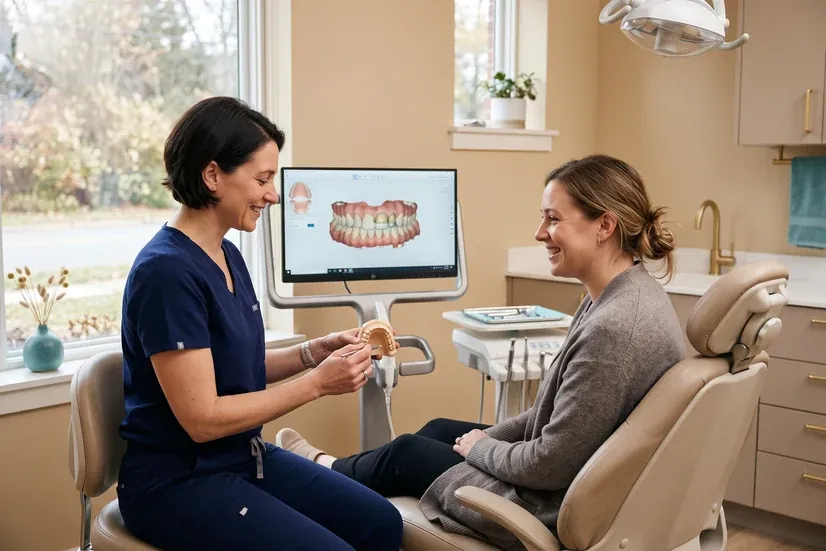
Sensitivity that continues after the hot or cold has gone, or that wakes you at night, suggests the nerve is inflamed beyond recovery.
Swelling, a bad taste, or a tender lump on the gum. The infection has reached the bone at the root tip.
Often after an old injury. The nerve died some time ago, sometimes without ever hurting.
Properly numb. If you are still feeling it, say so — it means more anaesthetic, not gritted teeth.
The dead or infected tissue is removed from inside the root canals and the space disinfected and shaped.
The canals are filled and sealed. A back tooth then needs a crown, because a root-treated tooth is brittle.
Questions
The tooth usually hurts more before than during or after. The treatment is done under local anaesthetic; afterwards it can be tender to bite on for a few days.
Often one, sometimes two if the tooth is infected and needs a dressing in between.
Yes. Nitrous oxide or oral sedation are both available. More on sedation.
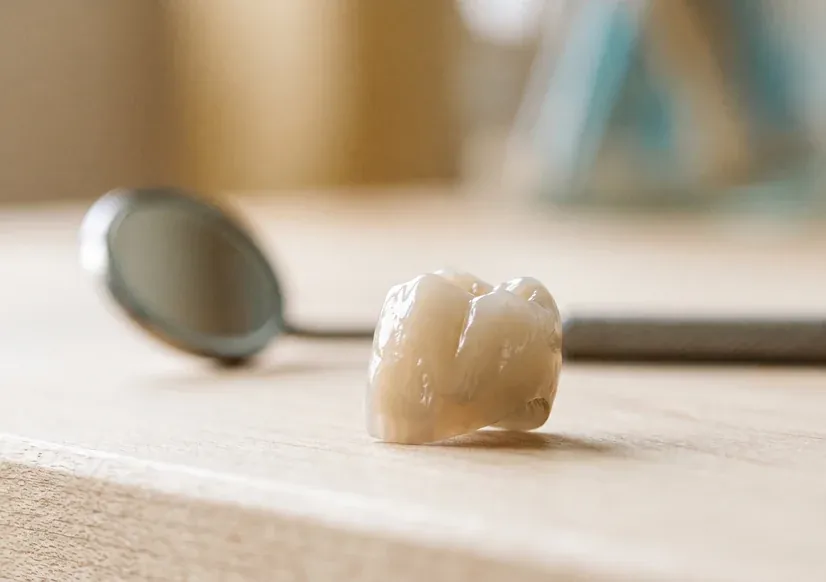
When a tooth needs covering rather than filling.
Explore →When a tooth genuinely cannot be kept.
Explore →
Nitrous oxide and oral sedation.
Explore →If it has been years, start here.
Explore →
Pain, a fracture or a crown that came off.
Explore →
The appointment that prevents the other eight.
Explore →Next step
The first appointment is an examination and a conversation. There is no obligation to book treatment at the end of it.